
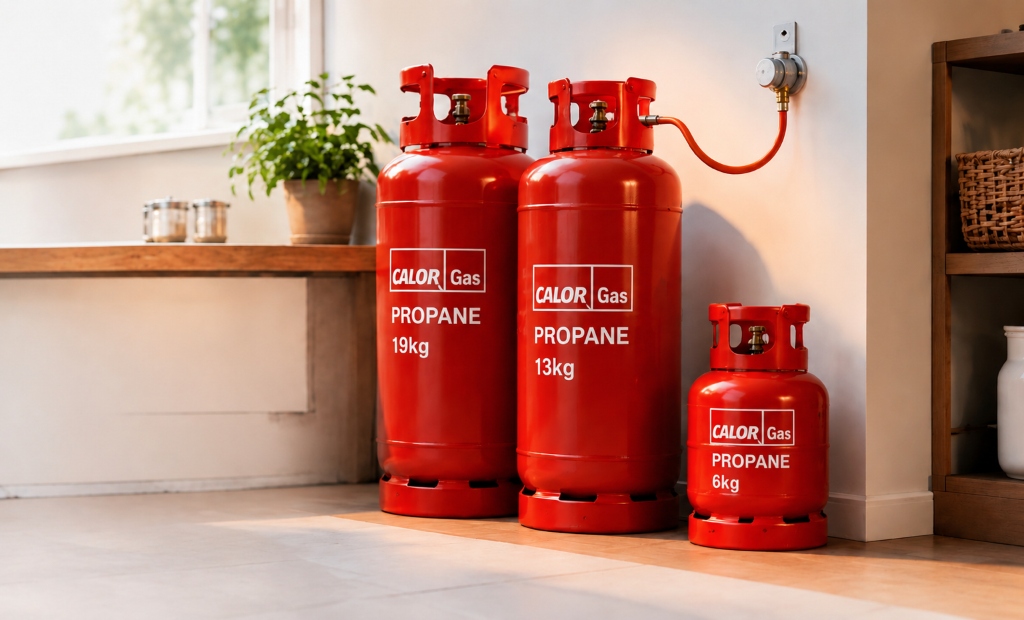
SAFETY & ADVICE
Knowledge Centre
Practical gas safety, fuel advice and useful guidance for safer homes.
Practical guidance
Expert tips and how-to advice.
Local knowledge
Information for Gloucestershire homes.
Safety first
Helping you stay safe around gas.
SAFETY & ADVICE
Knowledge Centre
Practical gas safety, fuel advice and useful guidance for safer homes.
Practical guidance
Expert tips and how-to advice.
Local knowledge
Information for Gloucestershire homes.
Safety first
Helping you stay safe around gas.
SAFETY GUIDANCE
Safety guidance
Essential UK gas safety rules, cylinder handling protocols, and practical advice to protect your home and business.
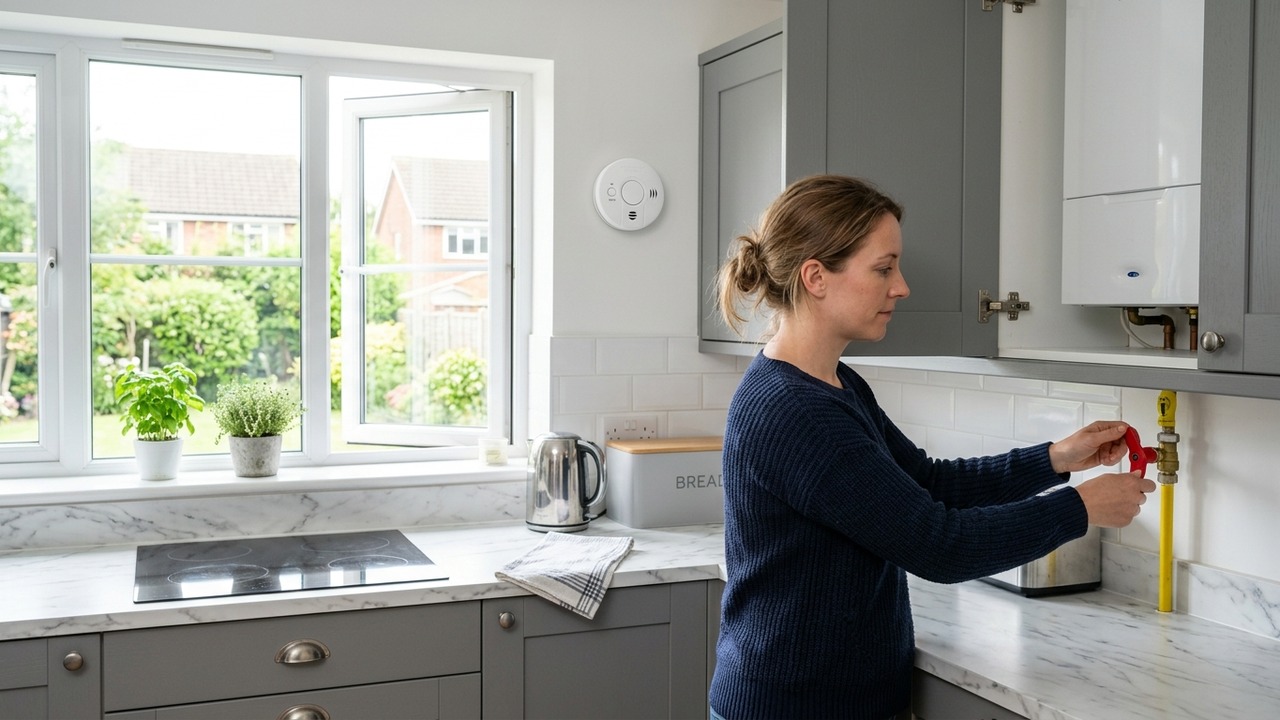
Emergency help
What to do in the event of a gas emergency.
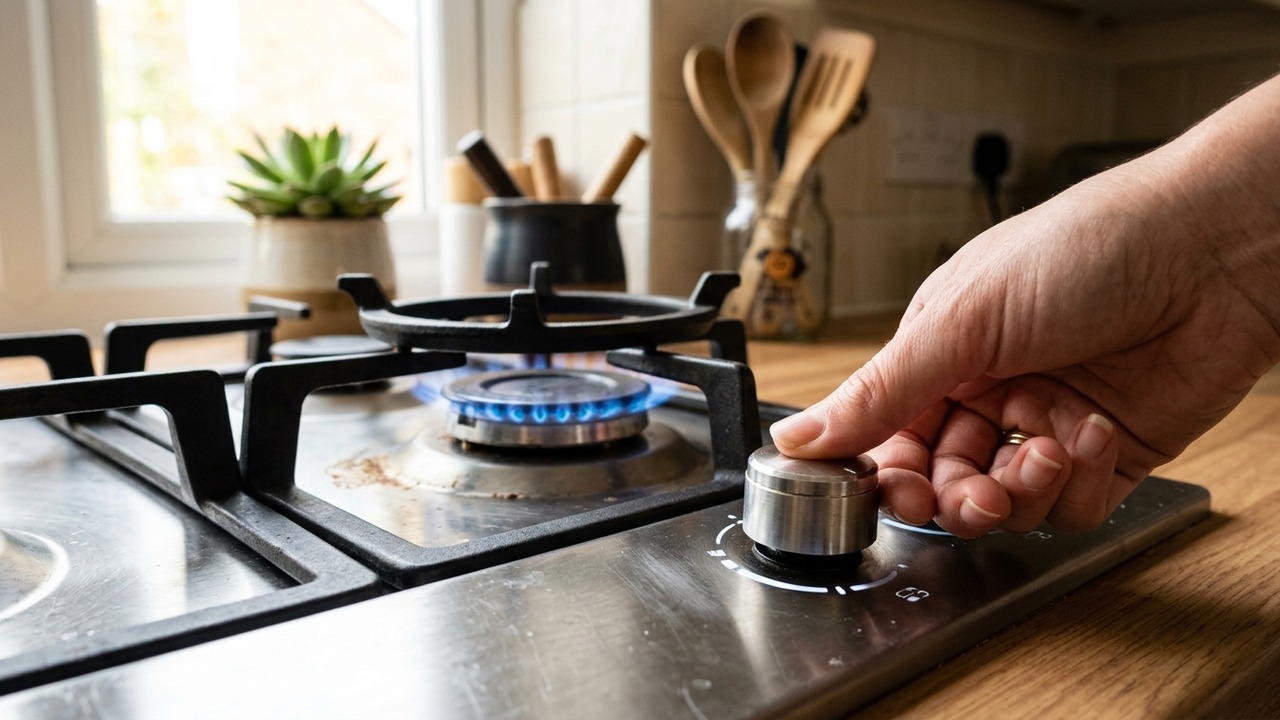
Using gas safely
Tips for safe everyday use in your home or business.
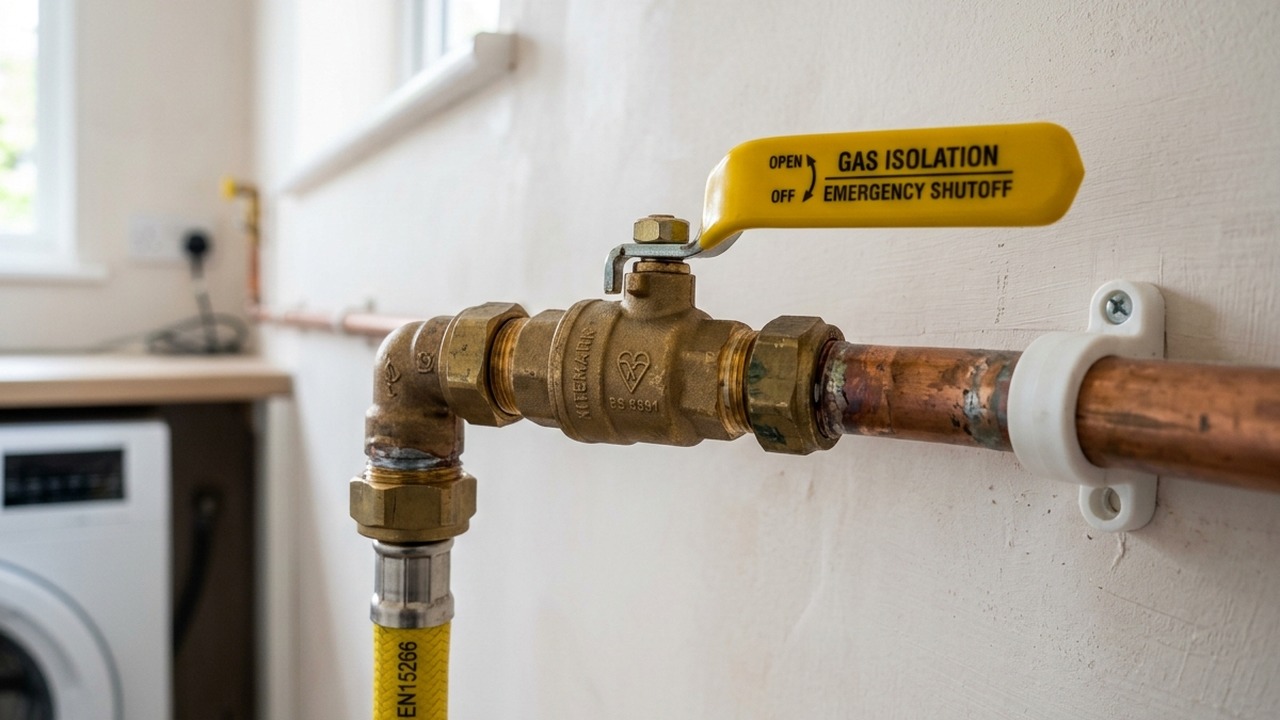
Connections
How to connect appliances and fittings safely.
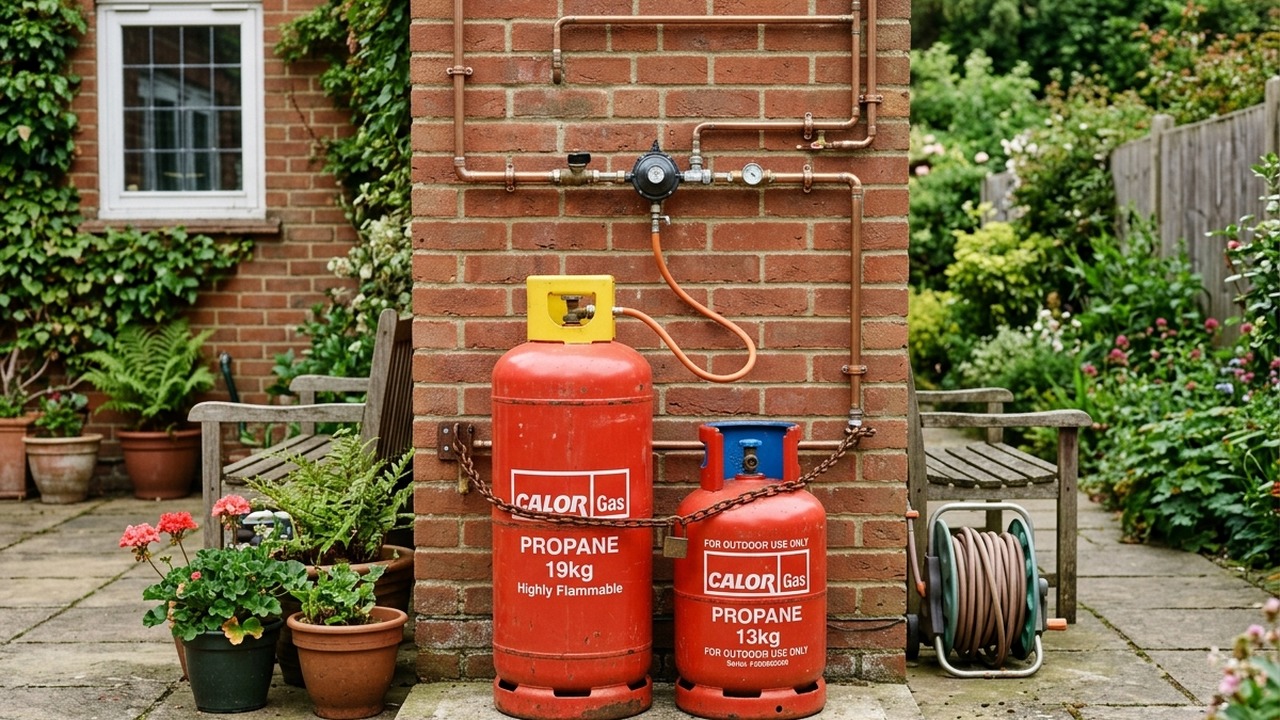
Storage advice
Store cylinders correctly and keep everyone safe.
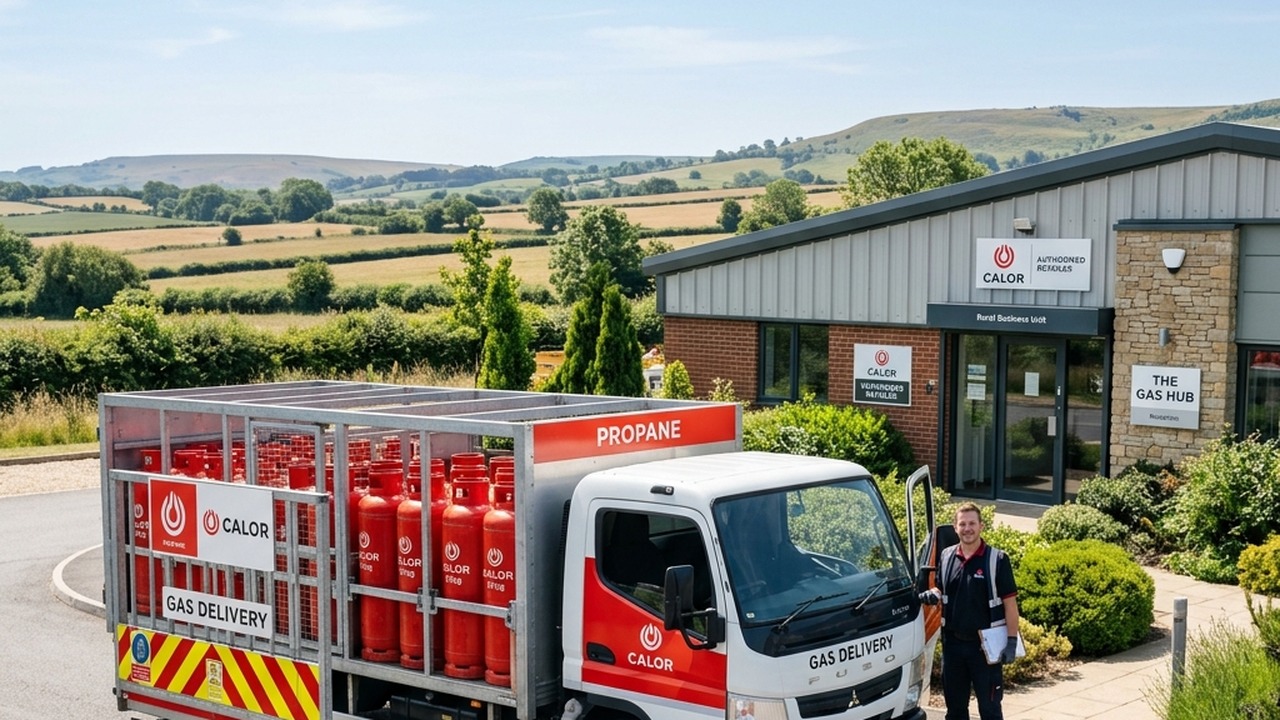
Transporting gas
Guidance for transporting gas cylinders safely.
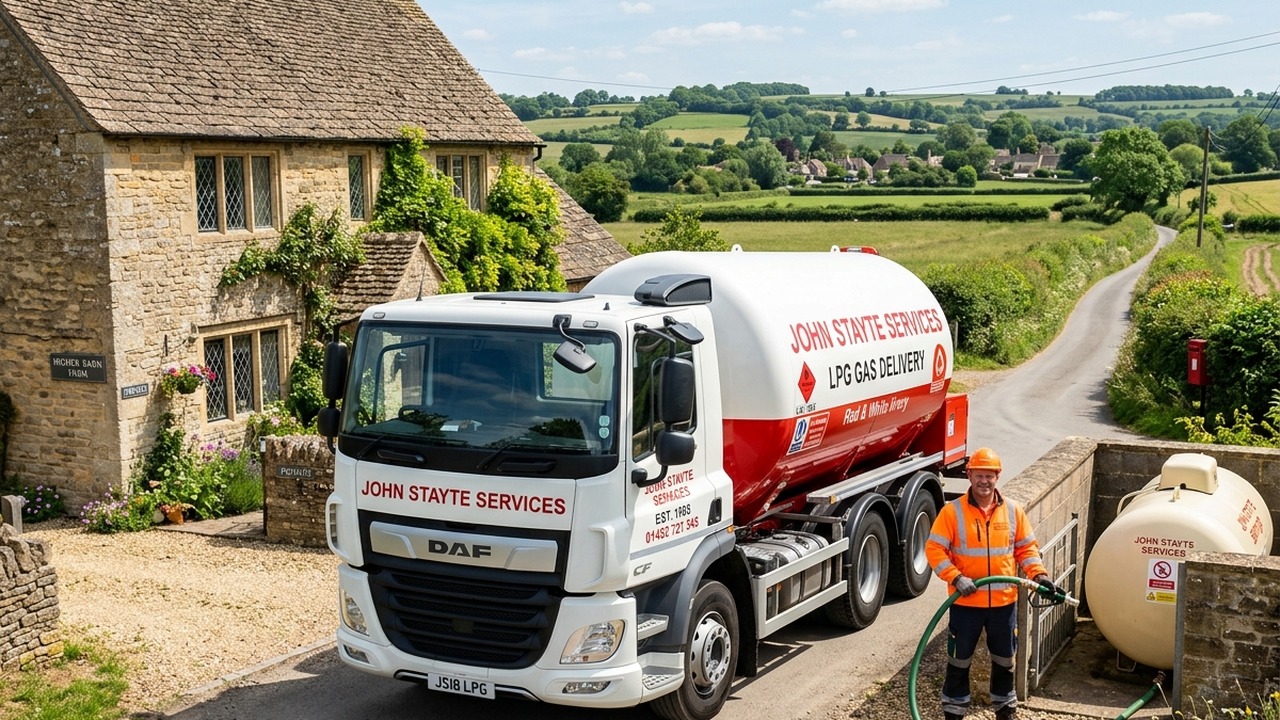
Checks & servicing
Why regular checks and servicing are important.
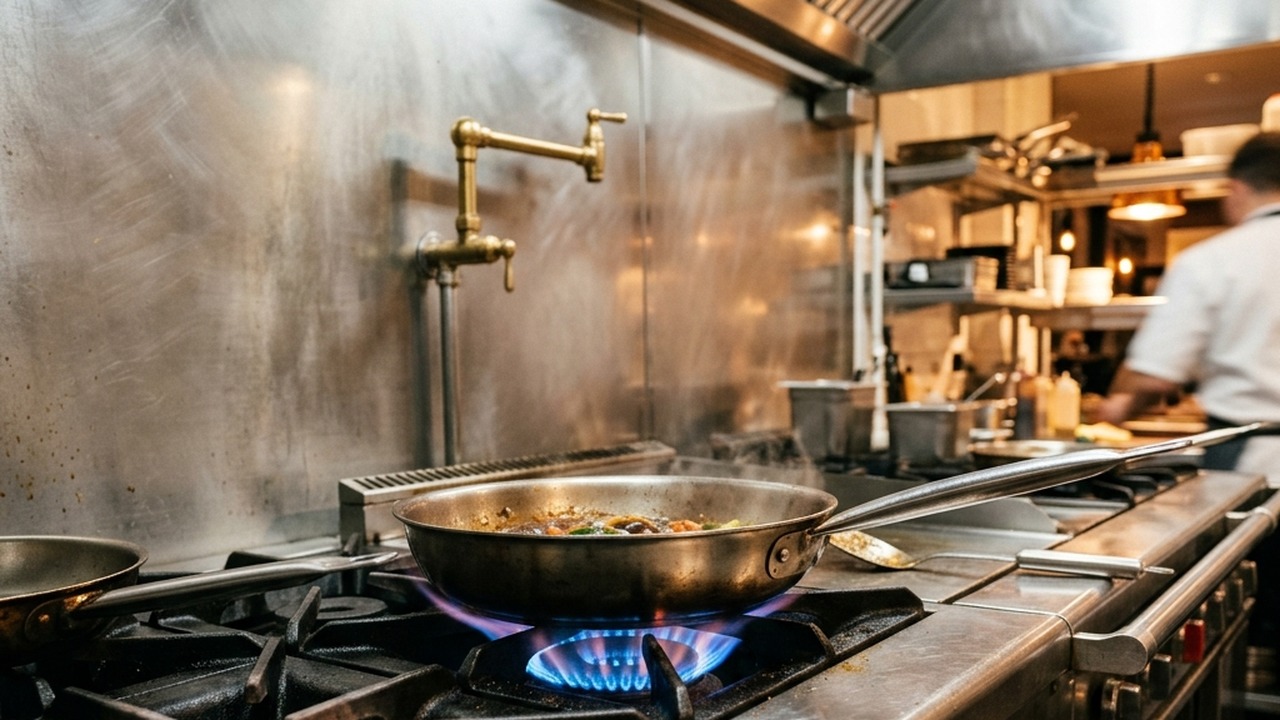
Business
LPG safety guidance for hospitality, catering and trade.
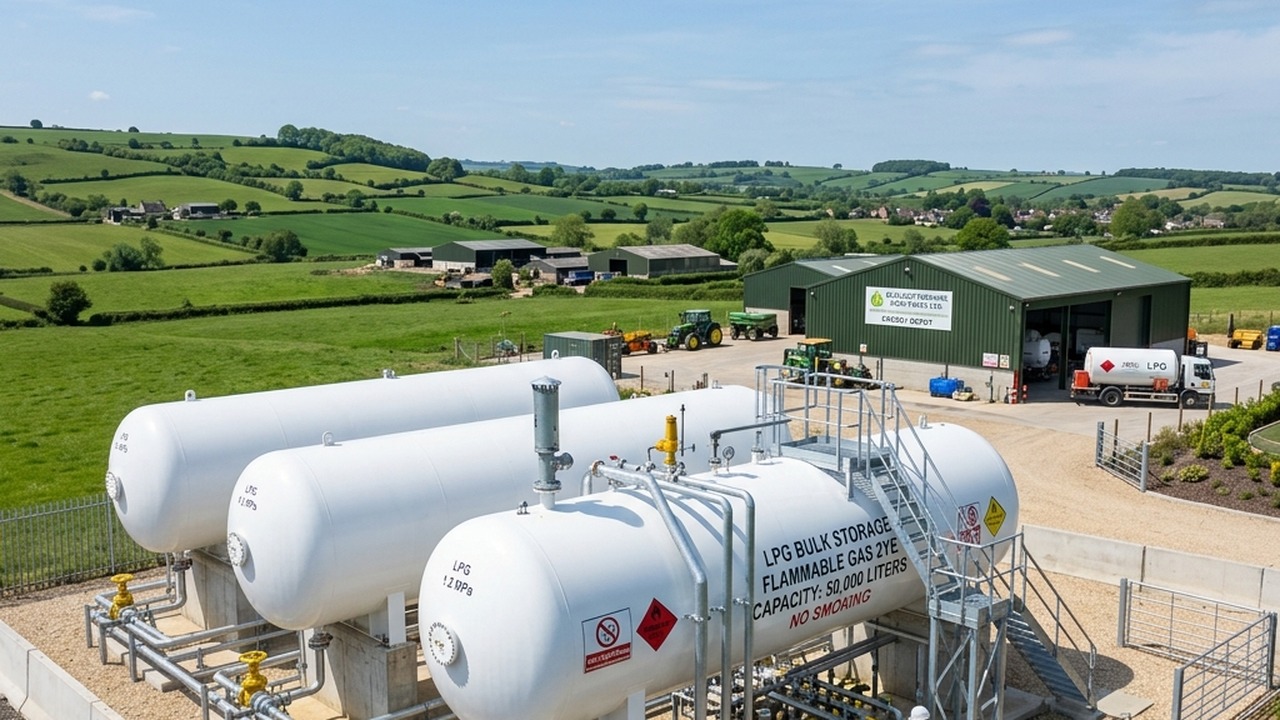
Tank replacement
Safe procedures for bulk tank replacement and swaps.
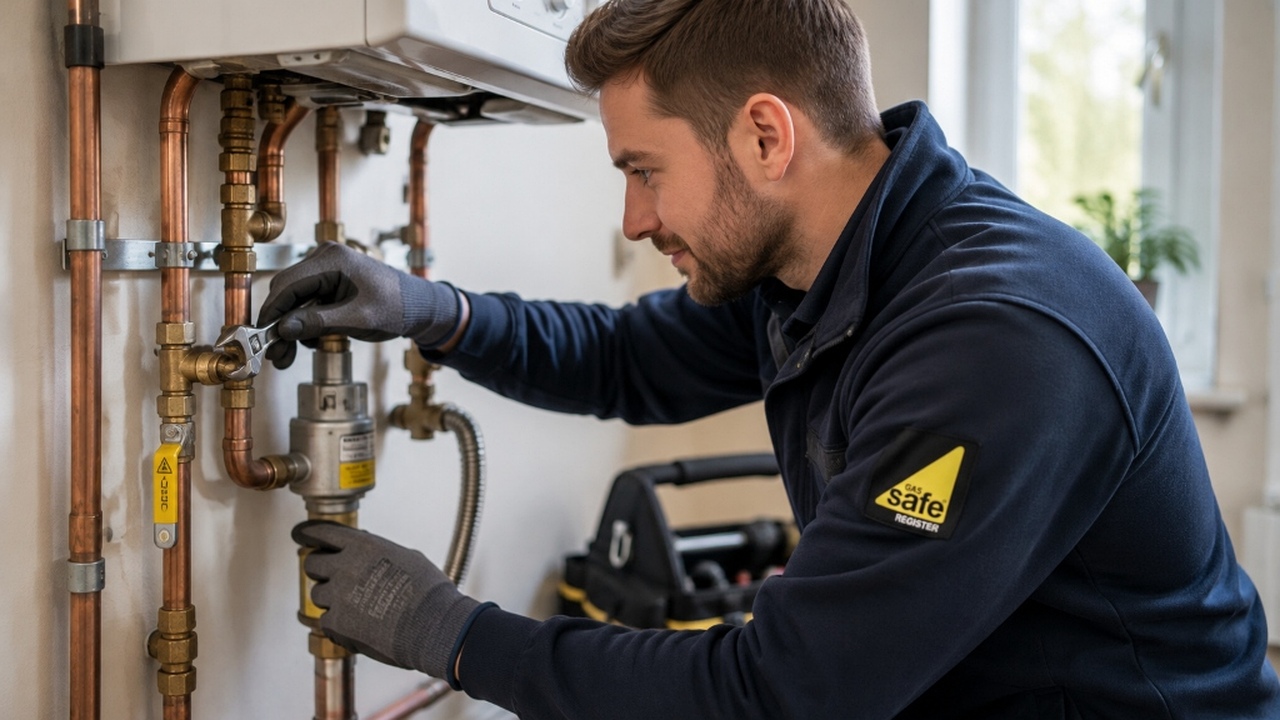
Pipework check and servicing
Maintaining supply lines, valves and gas regulators.
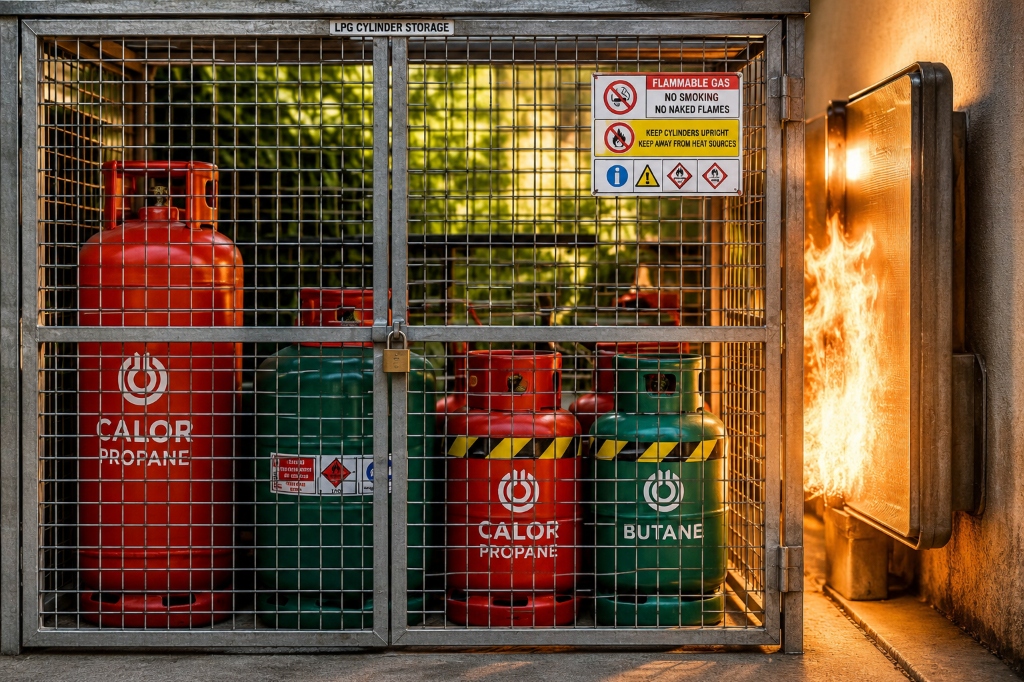
Safe Cylinder Storage
Correct positioning, ventilation, and outdoor storage principles for LPG bottles.
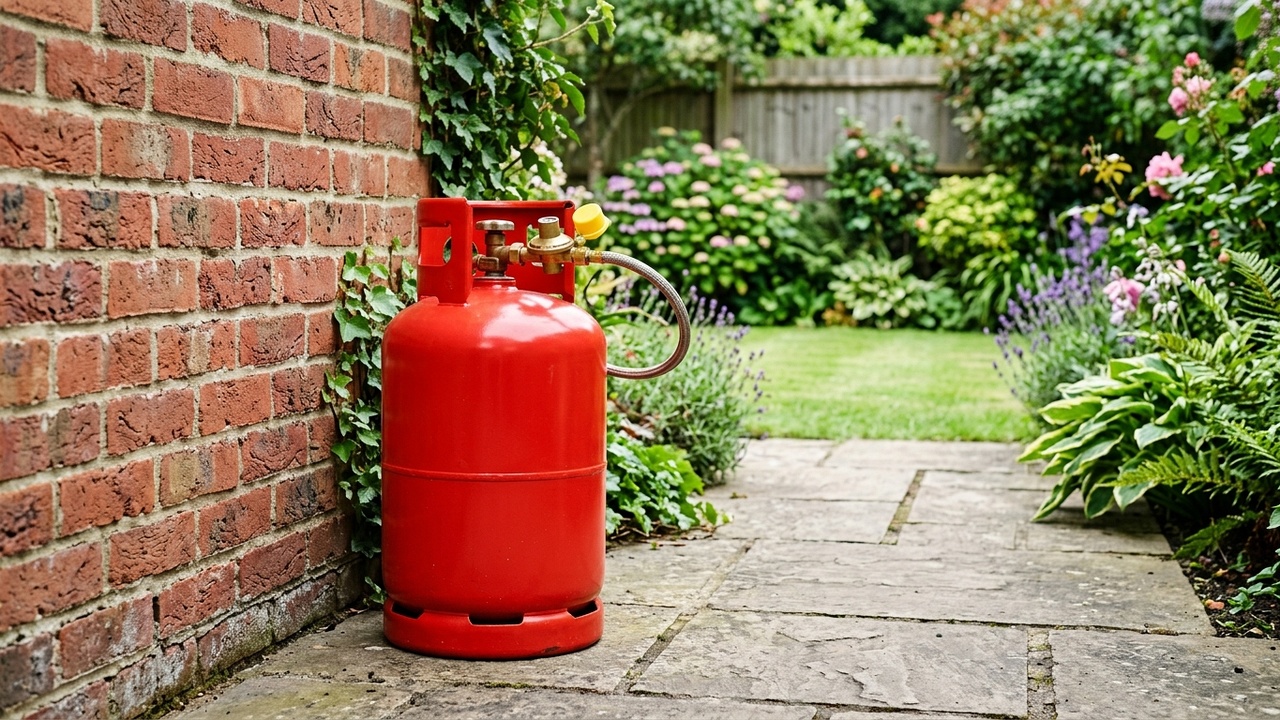
Keep Cylinders Upright
Why gas cylinders must remain vertical with relief valves pointing upwards.
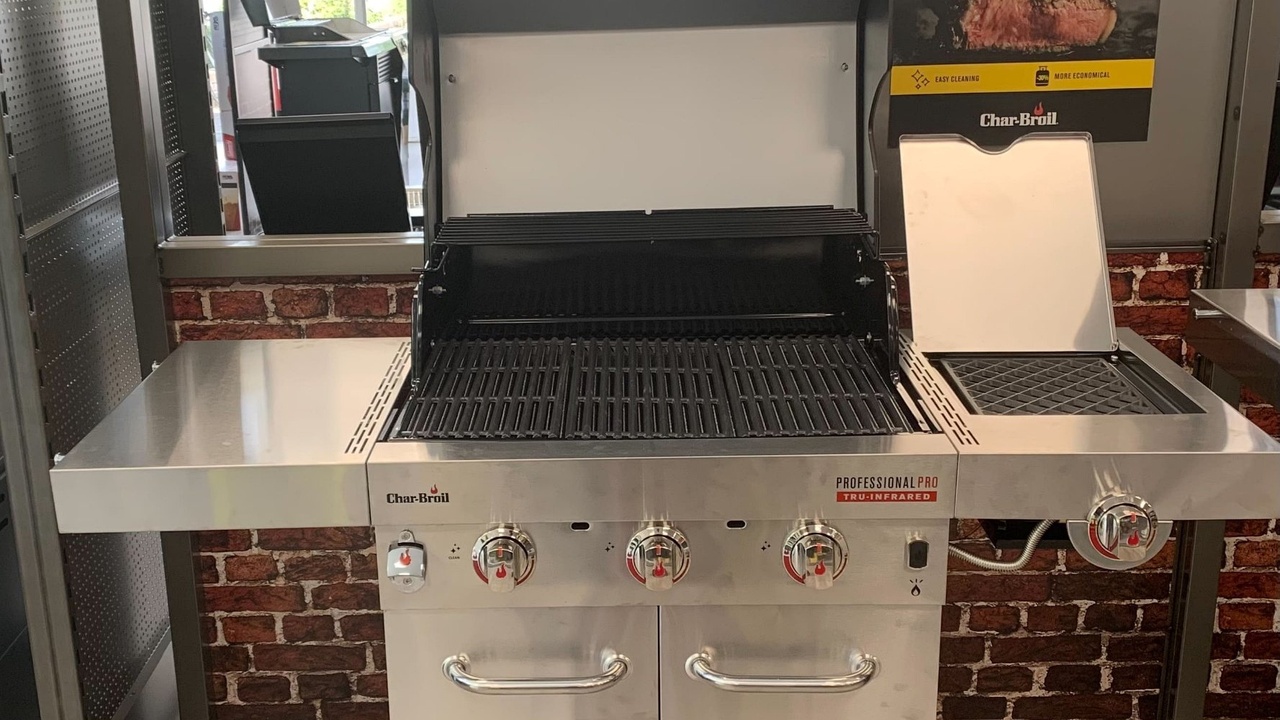
Keep Away From Flames
Maintaining safe statutory separation distances from open fires, barbecues, and sparks.
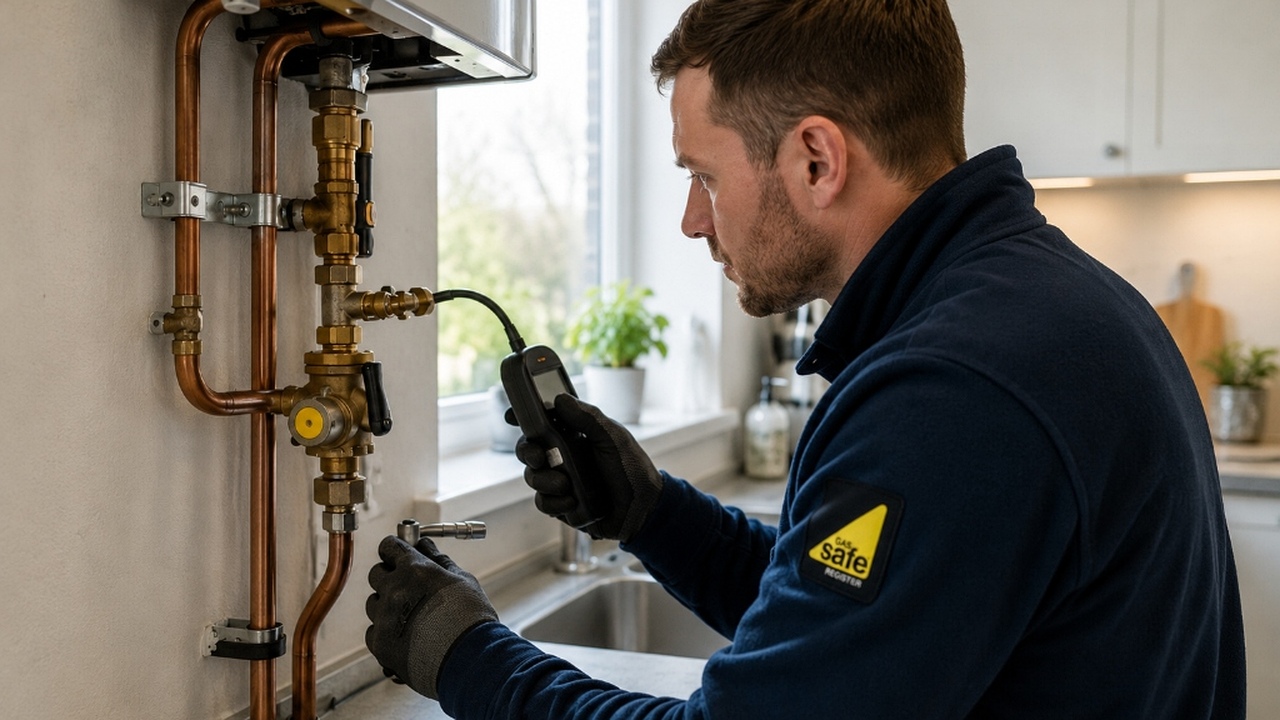
Ventilation & Leak Checks
Routine soapy water bubble testing and ventilation checks for safe connections.
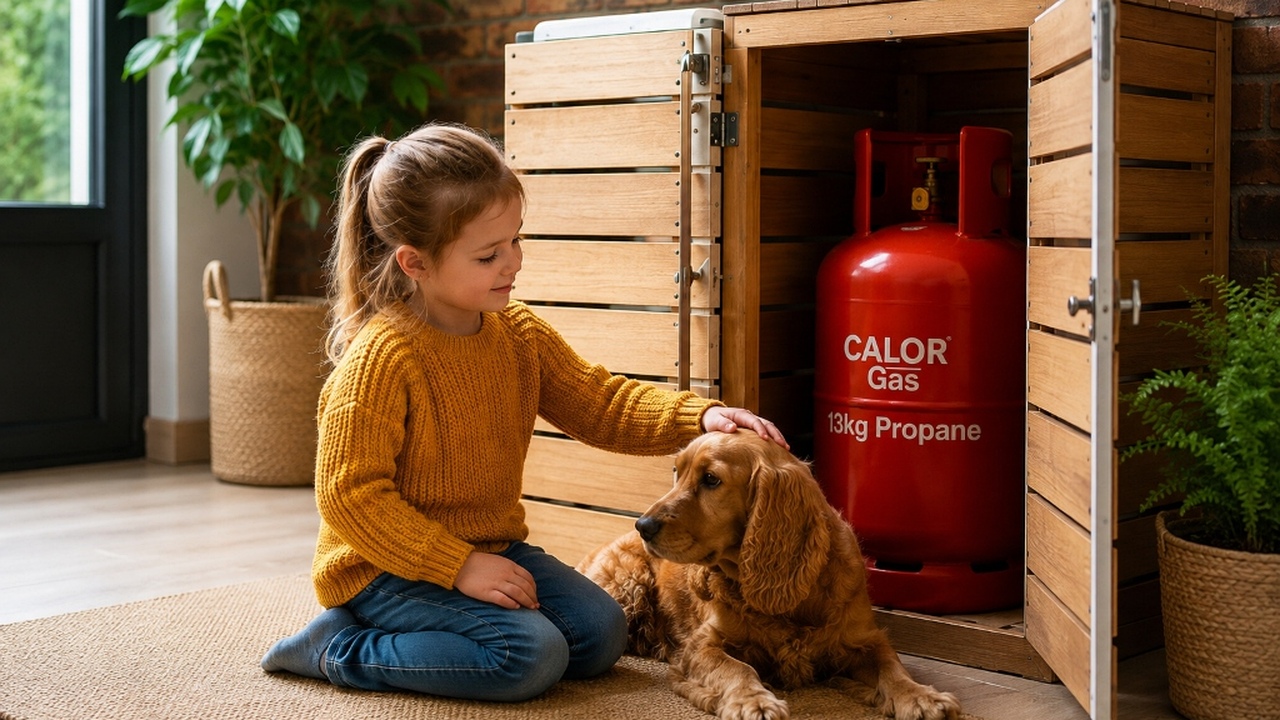
Child & Pet Safety
Securing cylinder storage areas and appliances away from children and pets.
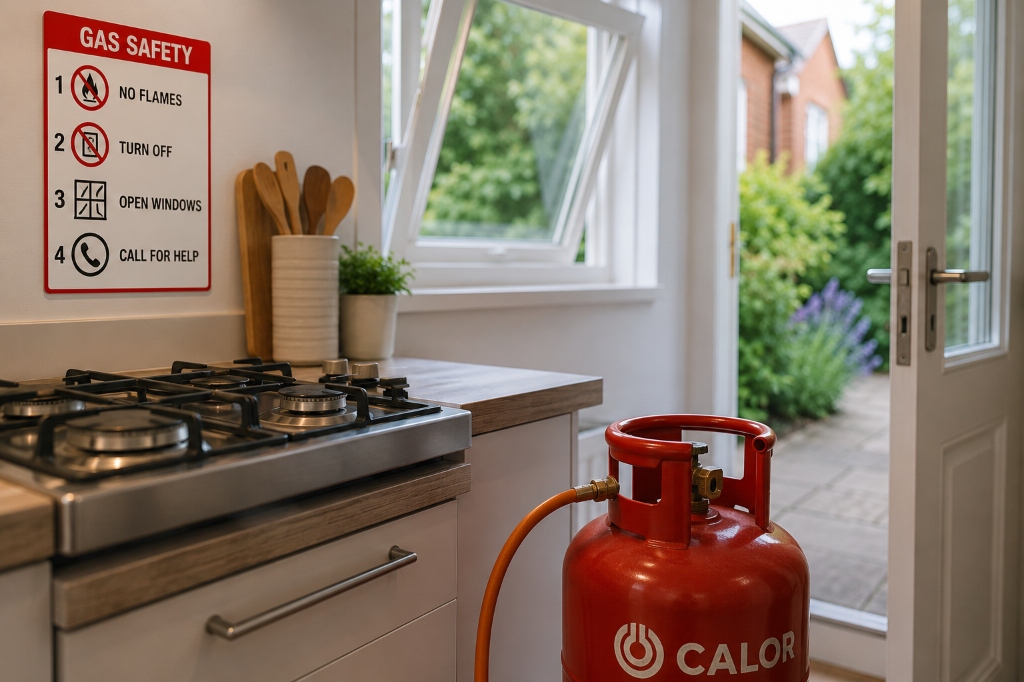
What To Do If You Smell Gas
Immediate safety actions, valve shut-off, and evacuation steps if a gas smell is detected.
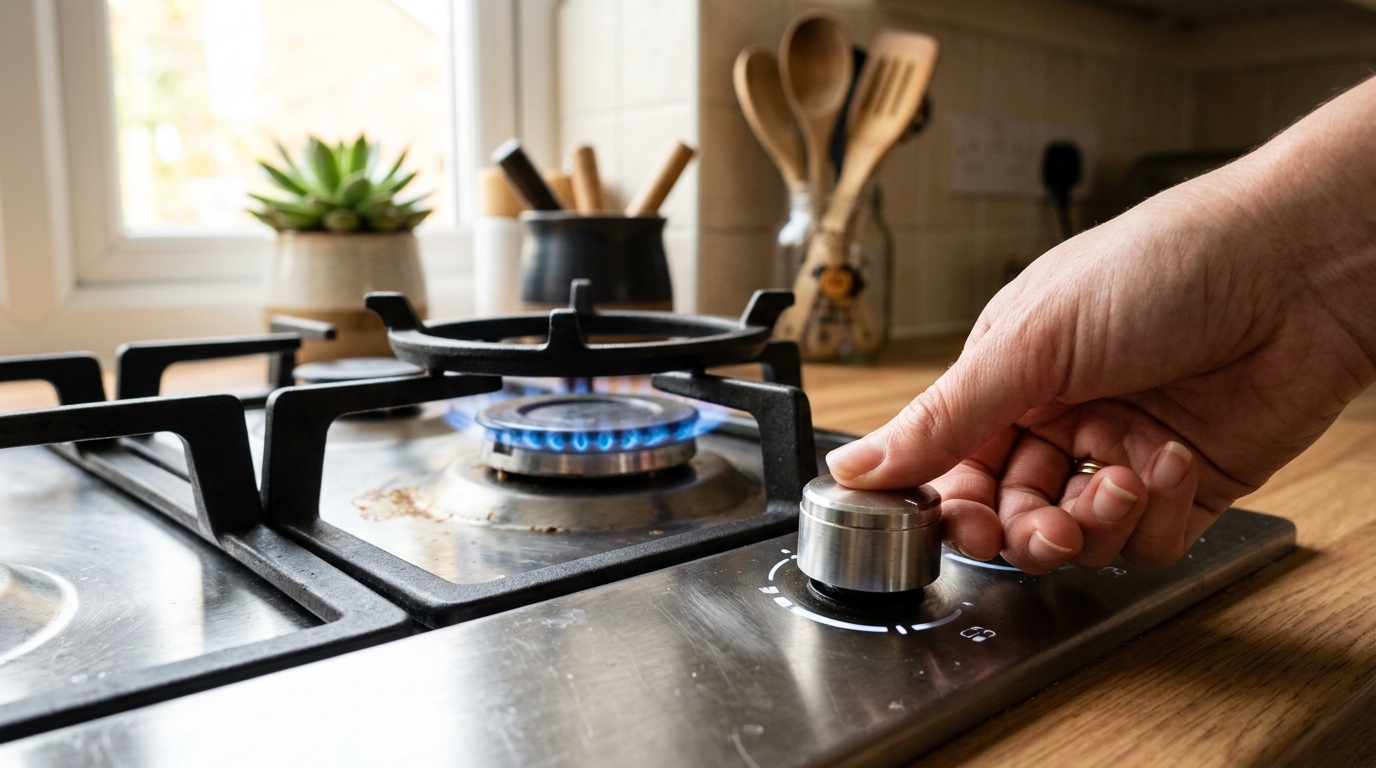
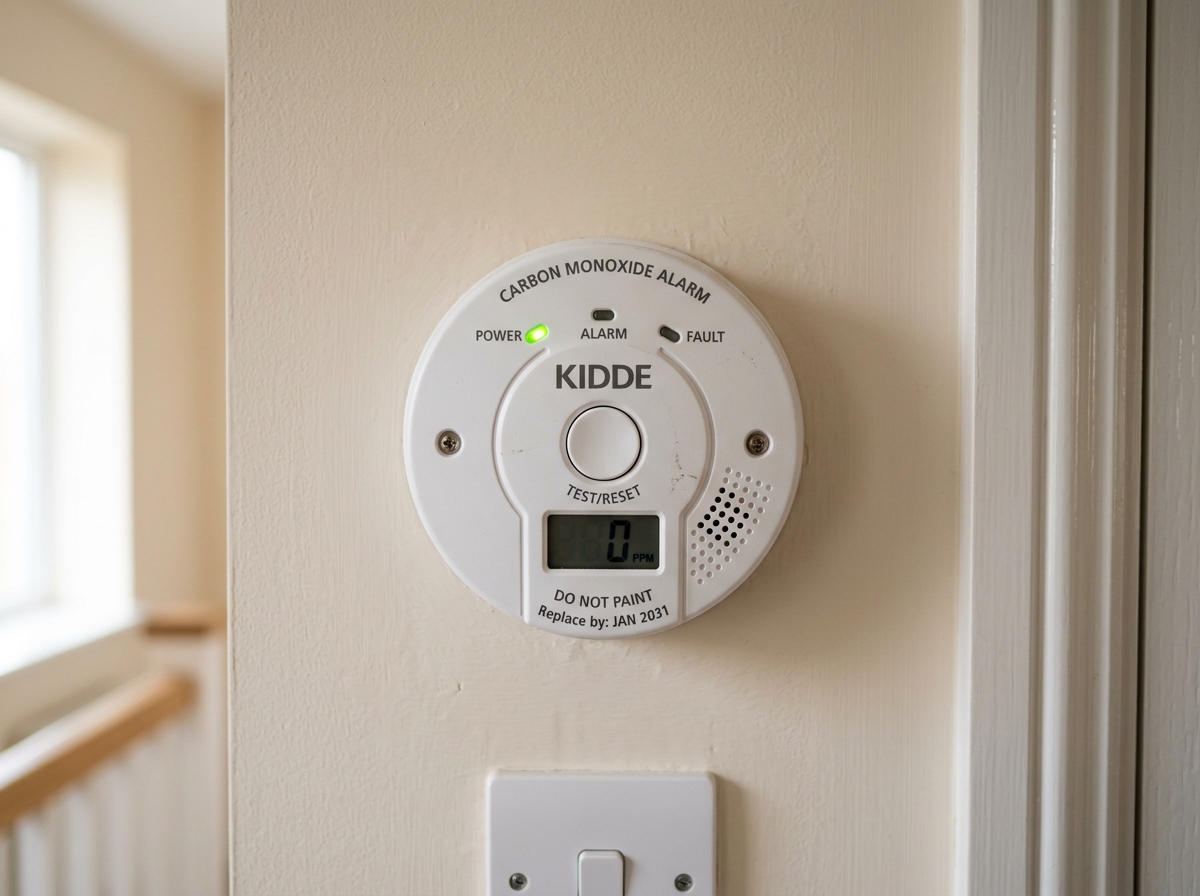
Essential Gas Safety Information
Practical guidance for staying safe around LPG, gas appliances and installations.
Fire
How to stay safe
You must call 999 immediately.
Ask for the fire service and tell them you have an LPG gas bottle or LPG tank.
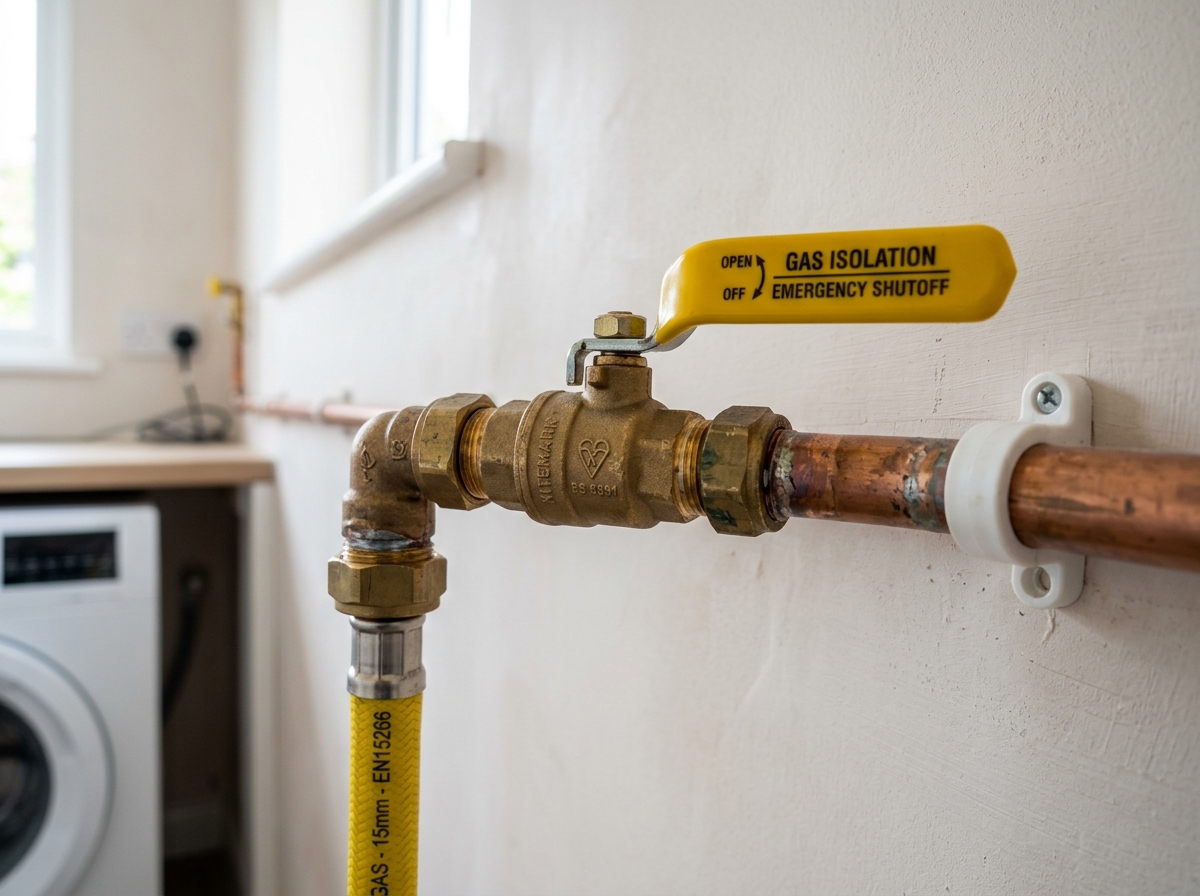
- •If you have gas bottles - If it's safe to do so, shut off valves on your gas bottles and the emergency control valve outside the building.
- •If you have an LPG tank - If it's safe to do so, you should shut off all valves and the emergency control valve (ECV) outside the building.
- •Keep all people, children and pets well away from the danger area (at least 100 metres upwind).
- •Call the National Gas Emergency Service on 0800 111 999 or John Stayte Emergency Support on 01452 741234.
- •Don't turn on the gas or re-enter the building until the system has been declared completely safe by a certified engineer and all appliances have been turned off.
Gas leaks
If you suspect one
If you have gas bottles - Shut off the emergency control valve outside the building and the valve on top of each gas bottle, located under the changeover valve (if applicable).
If you have an LPG tank - Shut the ECV outside the building. Shut the gas installation valve — you'll find this on the top of your above ground tank or beneath the cover of your below ground tank.
- •Don't use electrical switches, mobile phones, electrical devices, naked flames, or smoke within the area. Make sure there are no other sources of ignition in the affected area.
- •Don't turn any light switches on or off.
- •Open windows and doors to ventilate, particularly at lower ground levels where dense LPG pools.
- •Move everyone into fresh outdoor air immediately.
- •Call the National Gas Emergency Service on 0800 111 999 or John Stayte Services on 01452 741234.
- •Do not use the installation again until it has been inspected and declared safe by a Gas Safe engineer.
Carbon Monoxide
A poisonous gas
CO is produced when appliances aren't working correctly. It has no colour, smell, or even taste. CO detectors* are available, and we strongly recommend you get one fitted.
- •Seek medical attention if you suspect you're suffering from signs of CO poisoning, and call our Emergency Service on 01452 741234.
Signs of exposure include:
- •Tightness across the forehead, headaches, weakness, dizziness, nausea, and vomiting
- •Breathlessness, chest pains, confusion, and visual impairment
- •Severe exposure can lead to coma, intermittent convulsion, or depressed heart action
*Complying with BS EN 50291 standard.
Before You Use Your Cylinder
Run through these 8 essential pre-use verifications before lighting or operating any gas appliance.
IF YOU SMELL GAS
Avoid flames & sparks
Extinguish all naked flames and cigarettes immediately.
No electrical switches
Do not turn light switches or appliances on or off.
Close cylinder valve
Shut bottle valve clockwise if safe to reach.
Move to fresh air
Open doors/windows wide & step outside.
Call Emergency Line
Call 0800 111 999 or JSS on 01452 741234.
Advice from a team that understands gas, fuel and local customers.
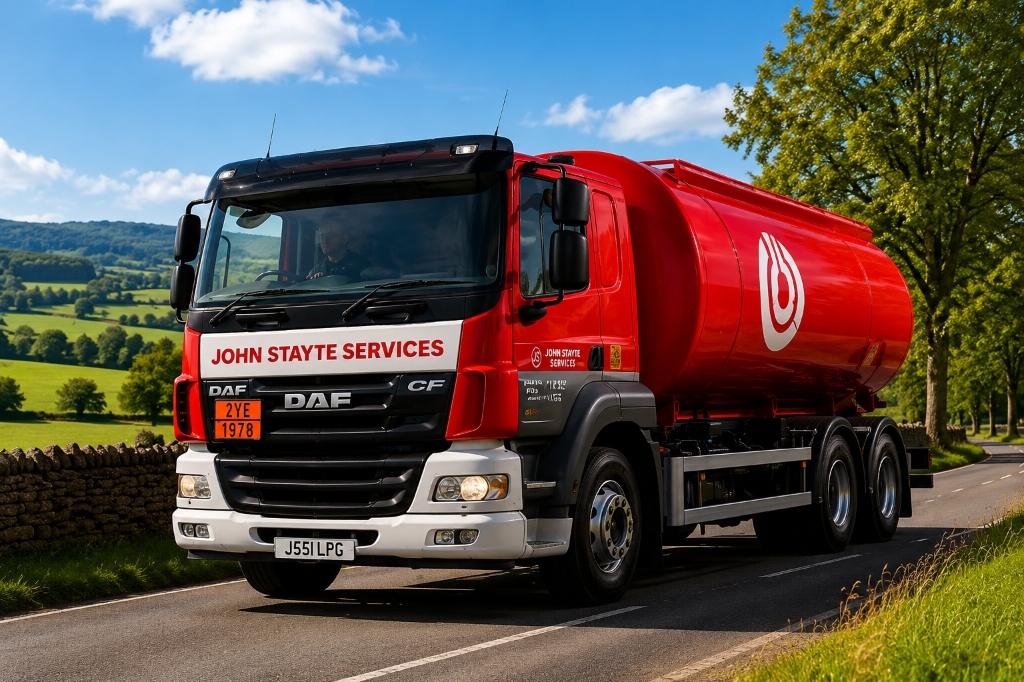
50+ Years Trading
Family-run business serving Gloucestershire residents, smallholdings and commercial premises since 1972.
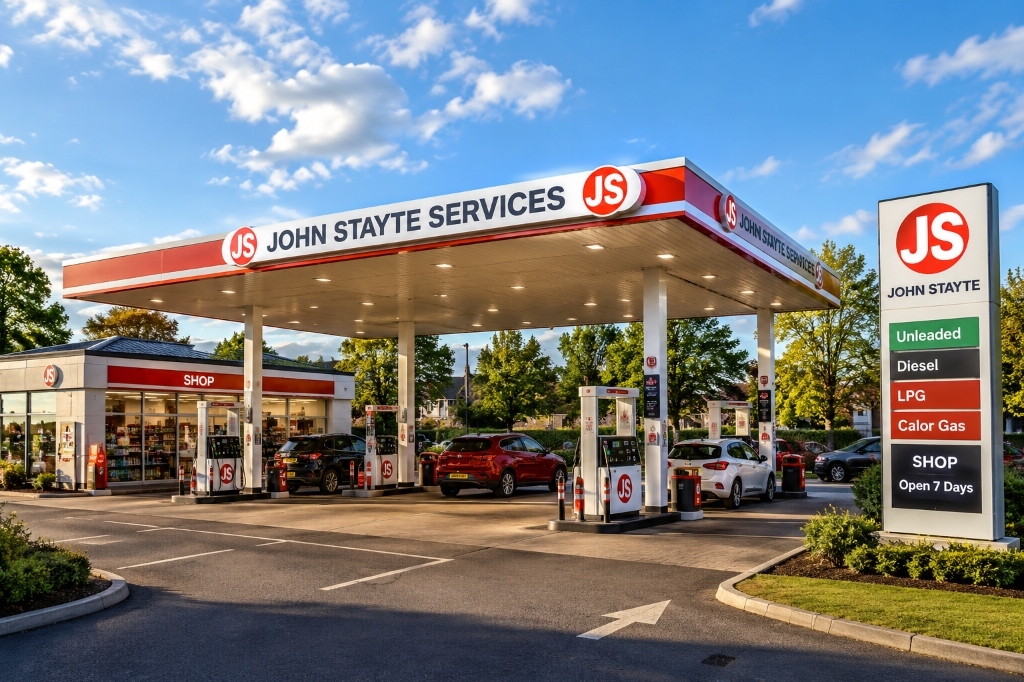
3 Local Stations
Cylinder exchanges and vehicle fuel available at Fromebridge, Wild Goose Garage and Bridge Service Station.
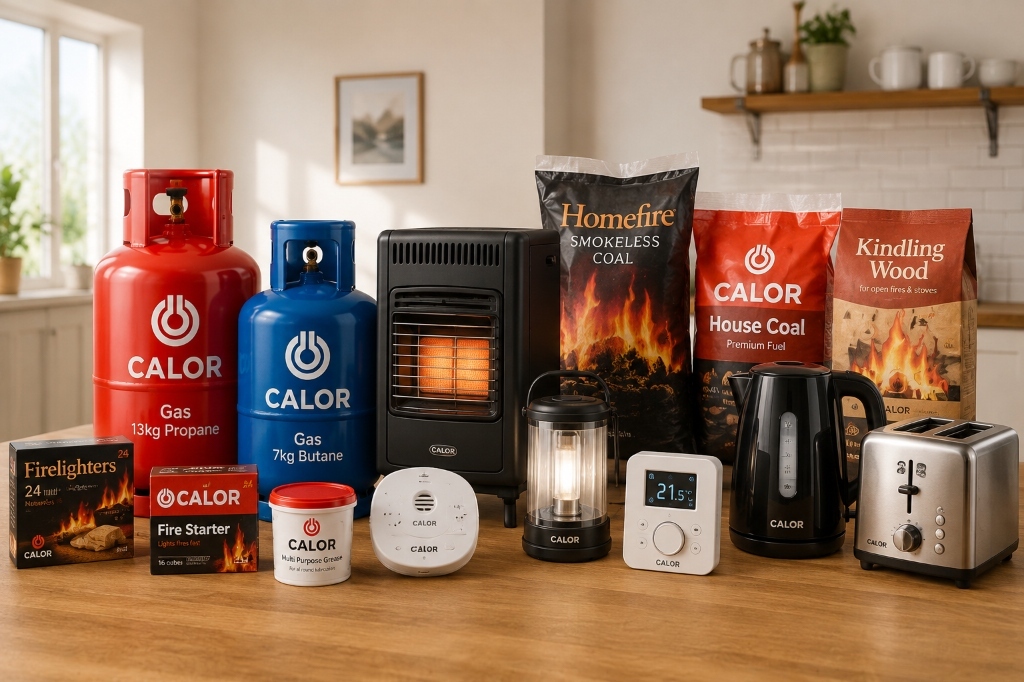
Wide Range of Products
Calor Gas, lifestyle cylinders, appliances, coal, kindling, smokeless fuels and much more.
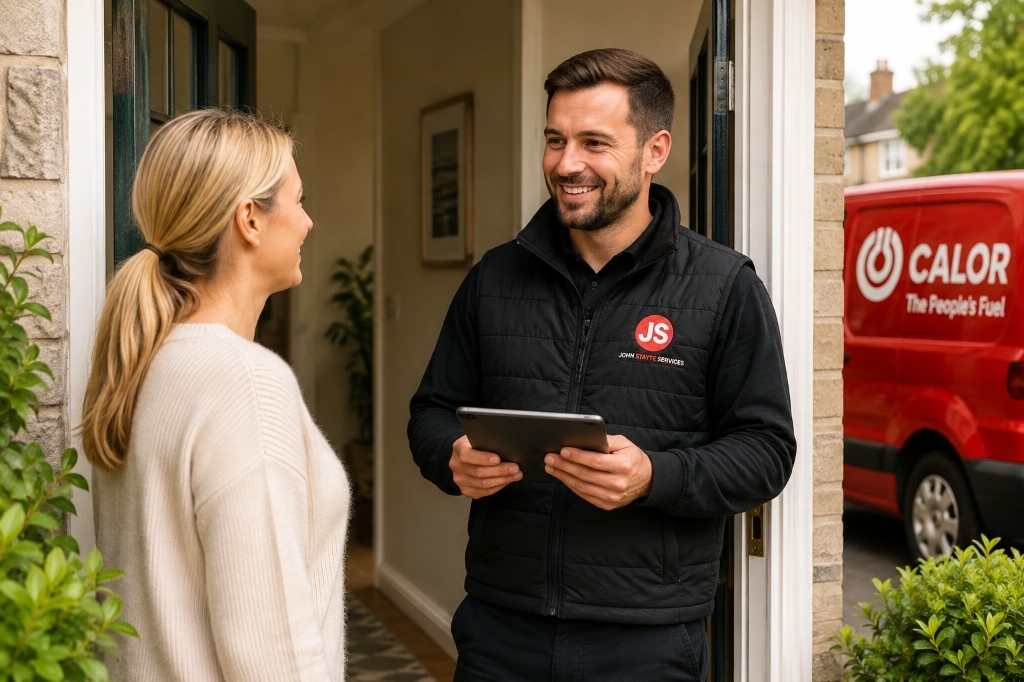
Safety First Approach
Certified Calor stockist providing verified gas hardware, Defra-approved smokeless fuel, and direct expert support.
Years of trusted local service
Local filling stations
Local delivery across Gloucestershire
Accredited & safety compliant
Supporting local homes, farms & businesses
Get useful gas, fuel and home energy advice.
Occasional safety updates, seasonal fuel recommendations, and local service alerts.