
Gas Safety & Emergency Guide
Clear, practical steps for gas leaks, gas fires, cylinder problems and other LPG emergencies.
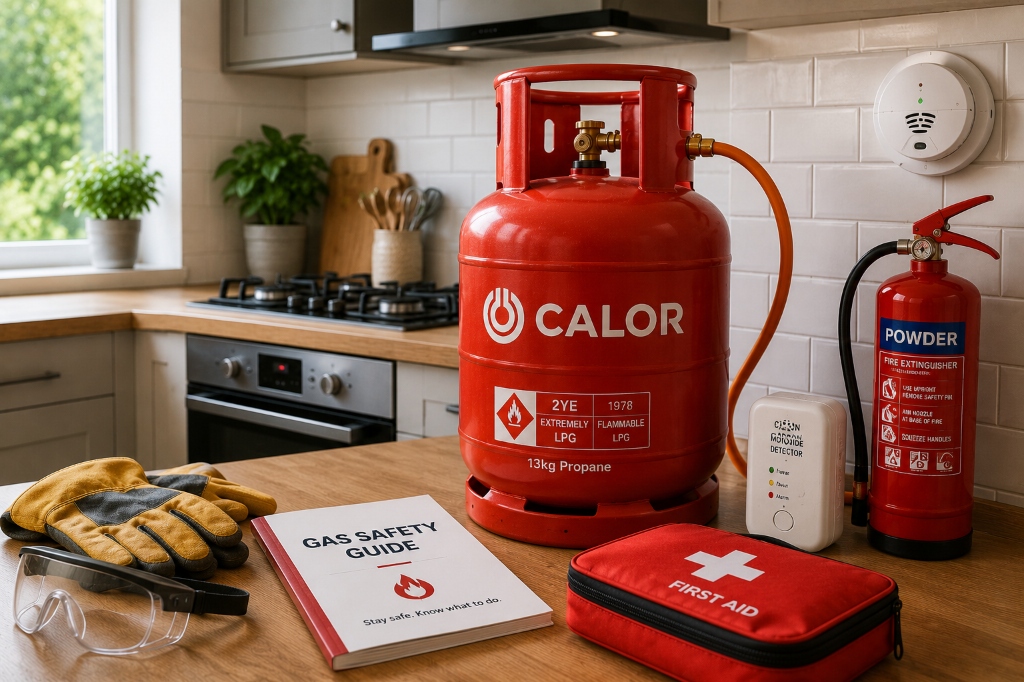
Think You Have a Gas Leak?
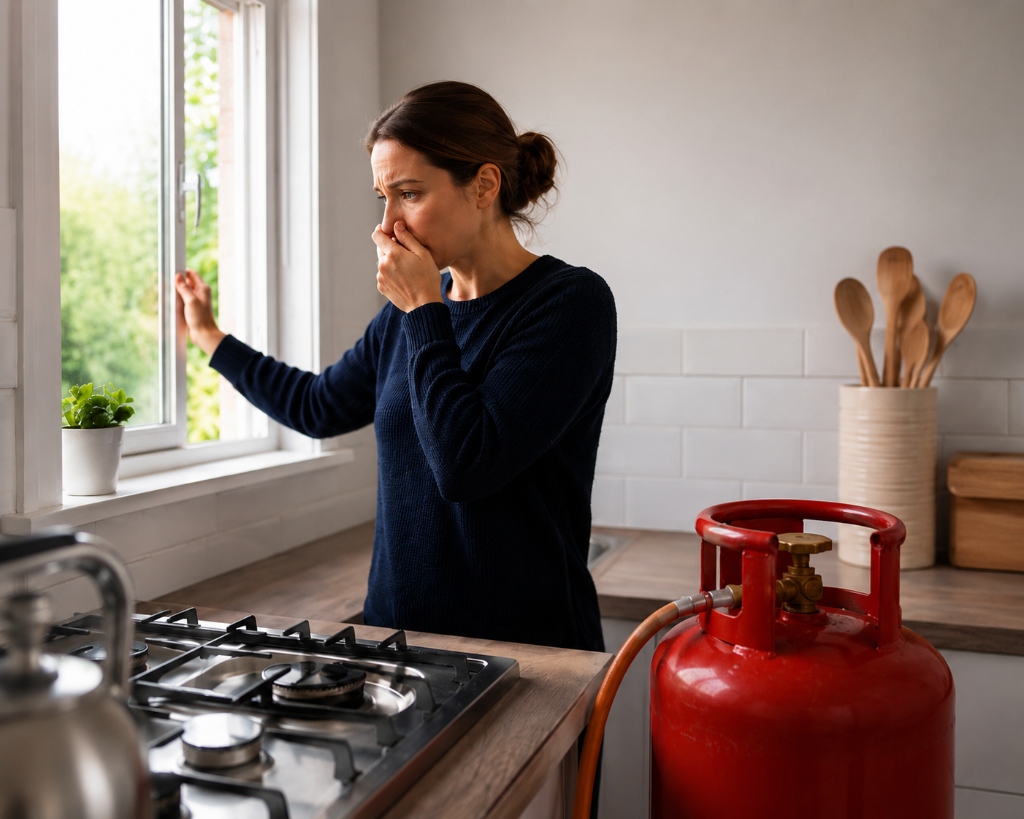
If you detect the distinctive smell of gas, hear a hissing noise, or feel unwell near an appliance, follow this strict 5-step emergency sequence immediately.
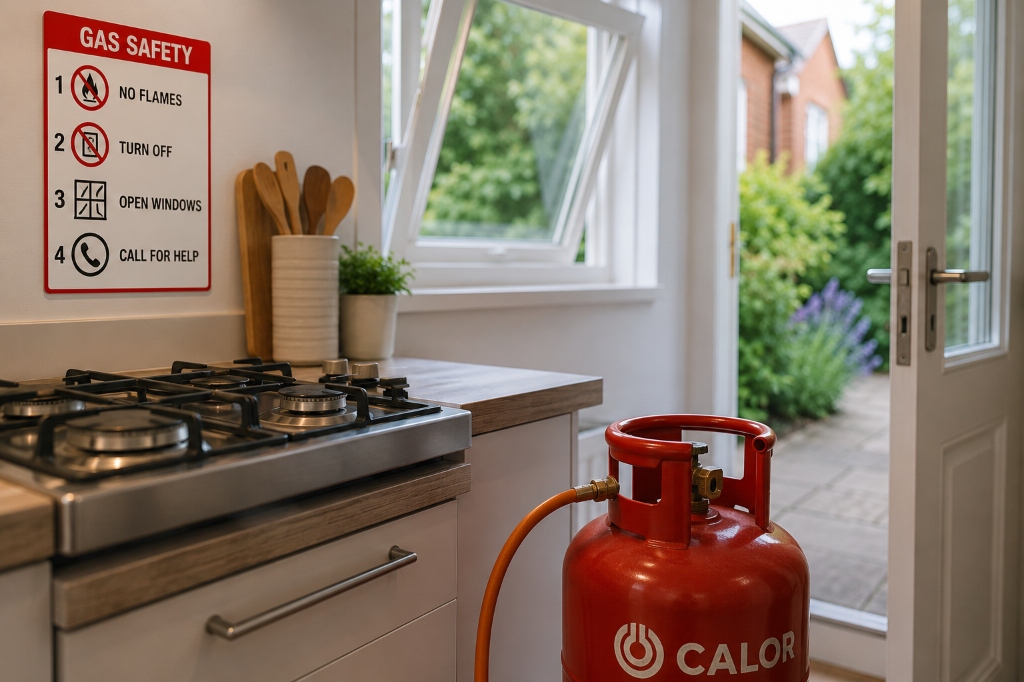
Stop ignition sources
No naked flames, cigarettes, matches, or lighters. Do not touch any electrical switches, power sockets, doorbells, or mobile phones.
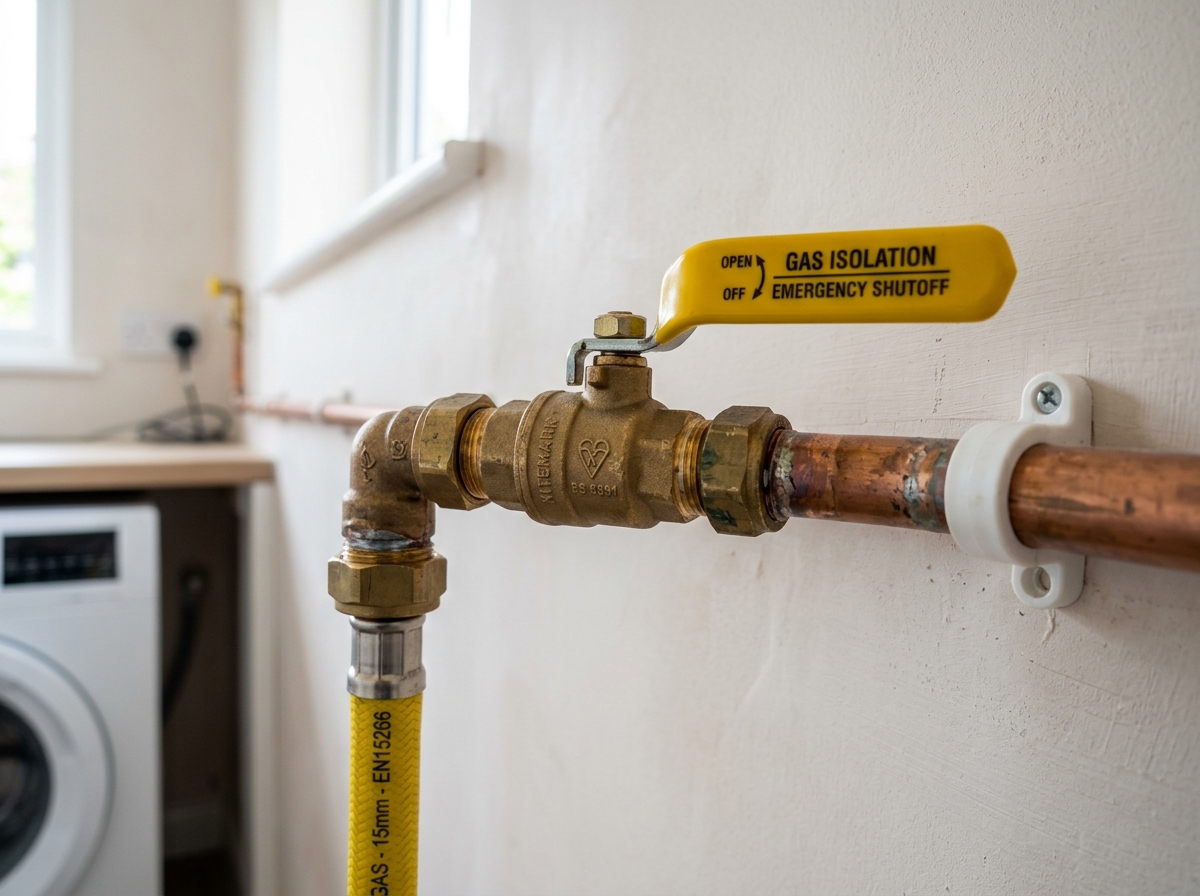
If safe, isolate the supply
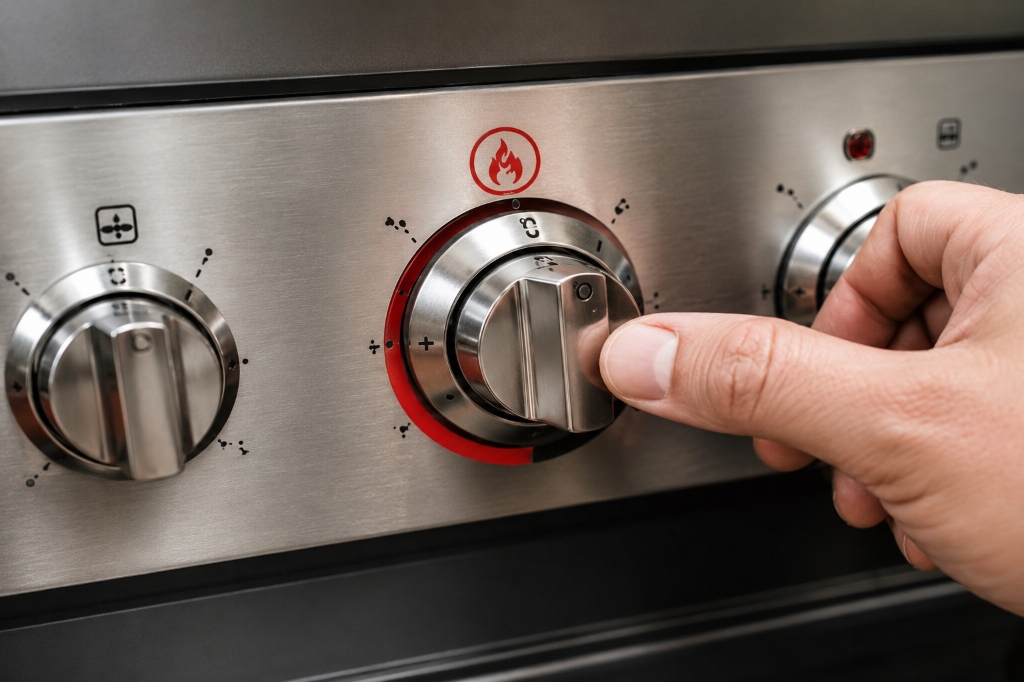
Turn off the cylinder handwheel valve clockwise or switch the clip-on regulator to OFF. If gas is dense, skip directly to evacuation.
Open doors & windows if safe
Allow fresh outdoor air to dilute the vapour on your immediate way out without lingering.
Get everyone outside
Evacuate all occupants and pets into fresh open air well away from the building.
Call for help from a safe location
From an outdoor safe distance, call John Stayte Support on 01452 741234 or dial 999 for emergency services.
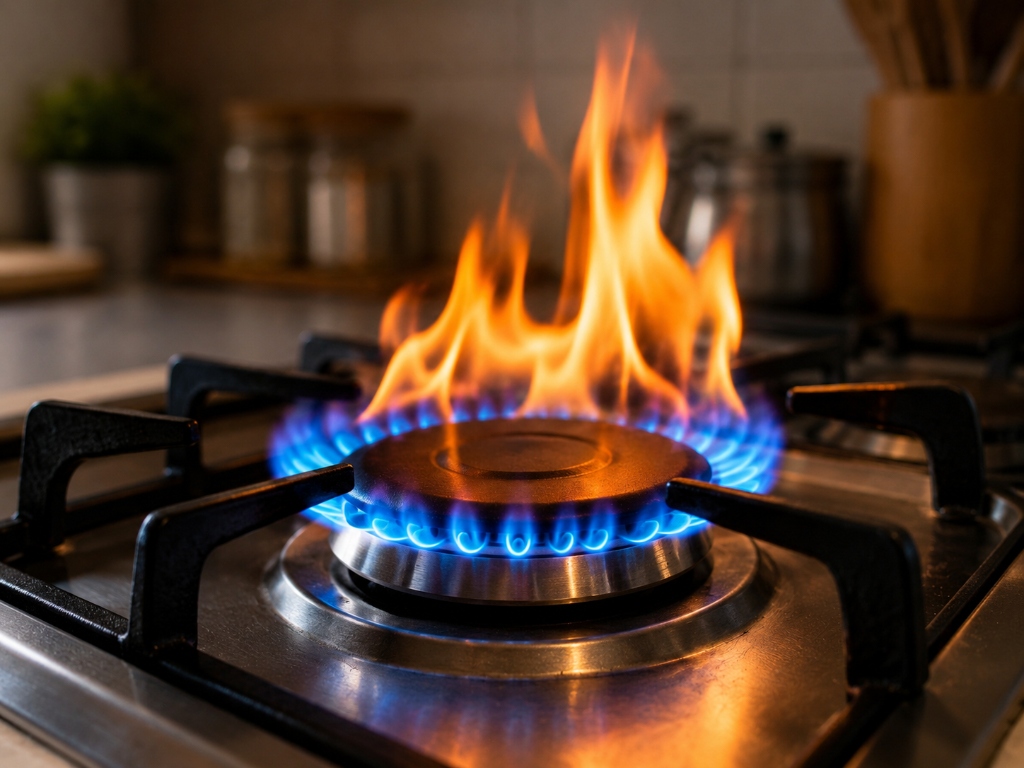
If Gas Has Caught Fire
Never fight a gas cylinder fire yourself. Gas escaping under high pressure creates extreme thermal radiation and risk of explosion.
Do not approach a burning cylinder or any equipment subjected to radiant heat.
Never carry or drag a heated or burning gas bottle. High pressure weakens hot metal.
Move all people and animals outdoors immediately behind solid masonry cover.
Inform the 999 operator that pressurized LPG cylinders are present on site.
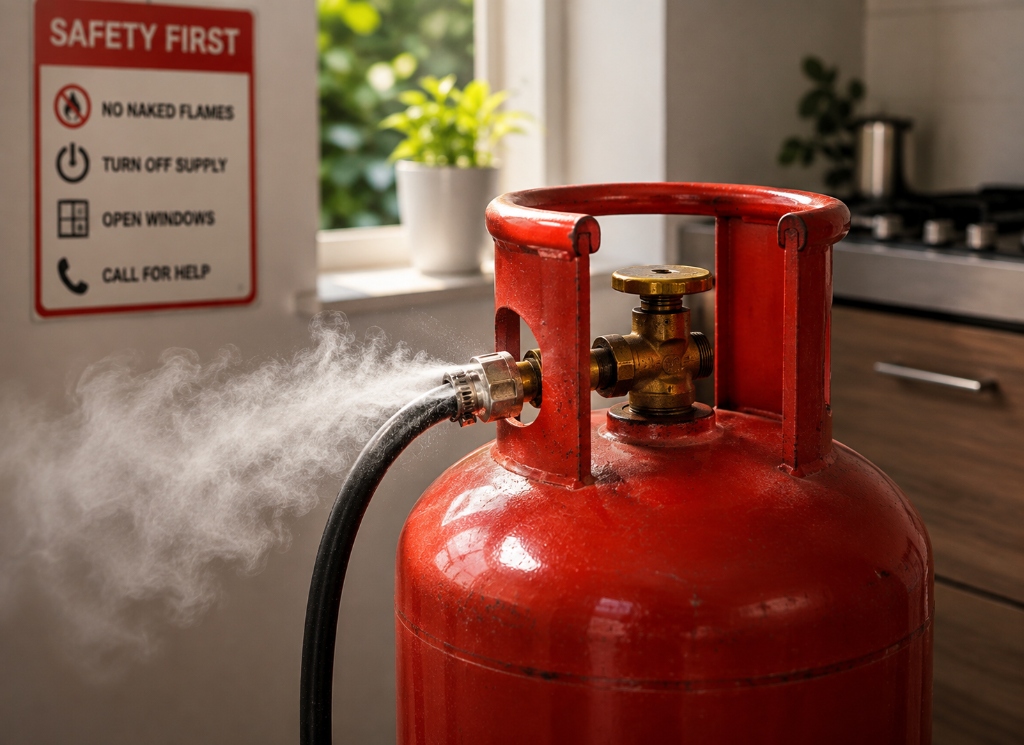
Cylinder Leaking?
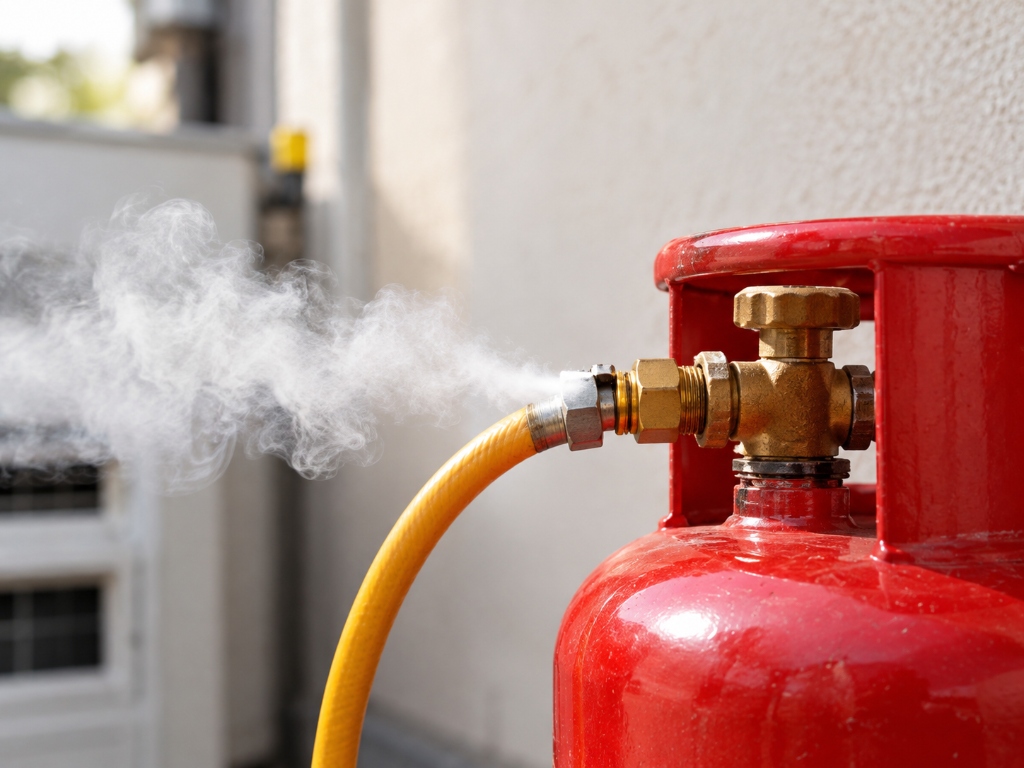
If a cylinder is hissing or leaking gas around the valve, neck spindle, or regulator connection:
Recognise
Smell gas, hear hissing, or see bubbles with soapy water leak test solution.
Isolate if safe
Close the cylinder handwheel firmly clockwise or flip the regulator switch to OFF.
Move to safety
Move the leaking cylinder outdoors to a well-ventilated area, 10m clear of drains.
Get professional help
Contact John Stayte Support on 01452 741234 for safe on-site cylinder recovery.
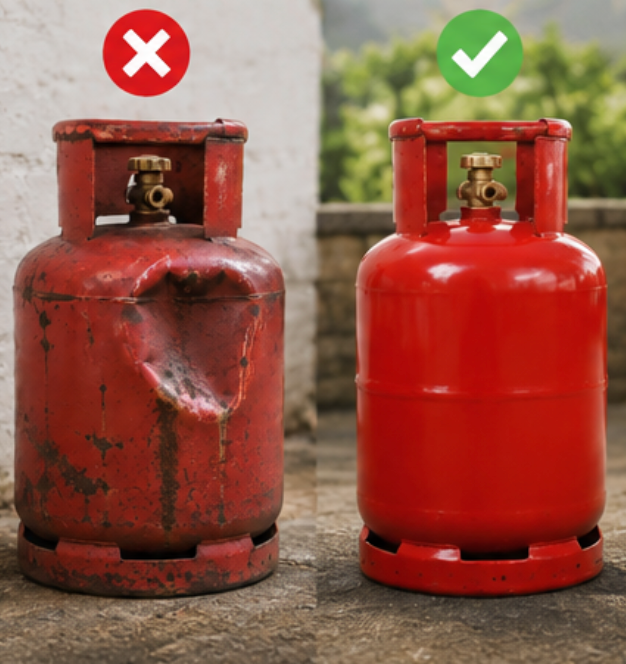
Do Not Use a Damaged Cylinder
Damaged cylinders can fail catastrophically under internal pressure. Inspect every cylinder for these critical red-flag defects:
STOP — DO NOT USE DAMAGED EQUIPMENT
Isolate the cylinder outdoors and contact John Stayte Services for safe exchange.
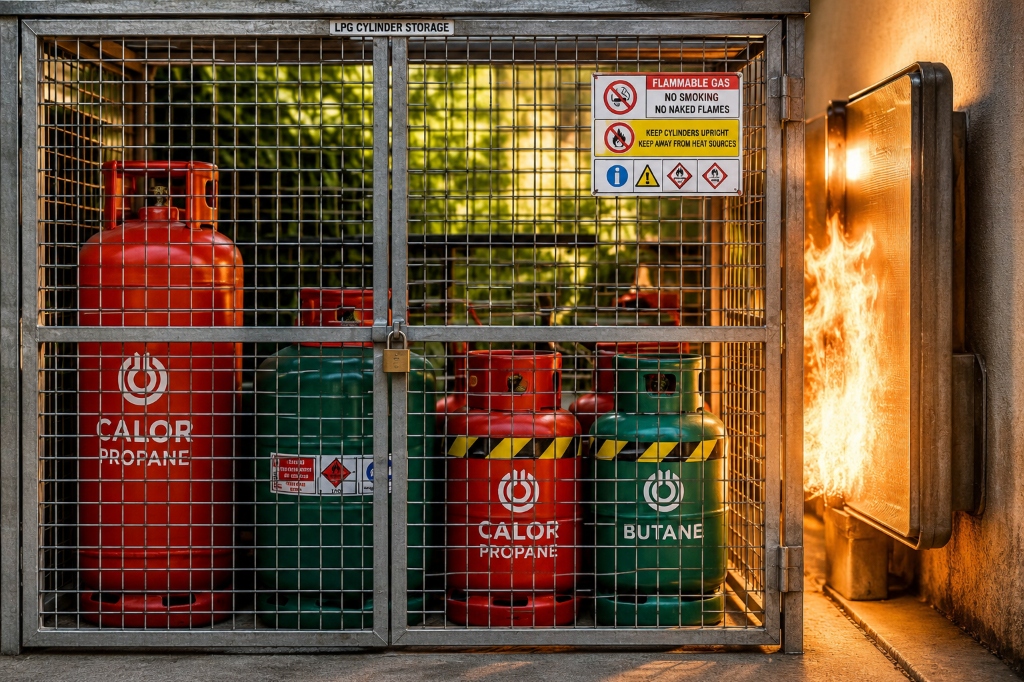
Cylinder Exposed to Heat?
When an LPG bottle is subjected to direct fire or intense radiant heat, internal pressure rises exponentially.
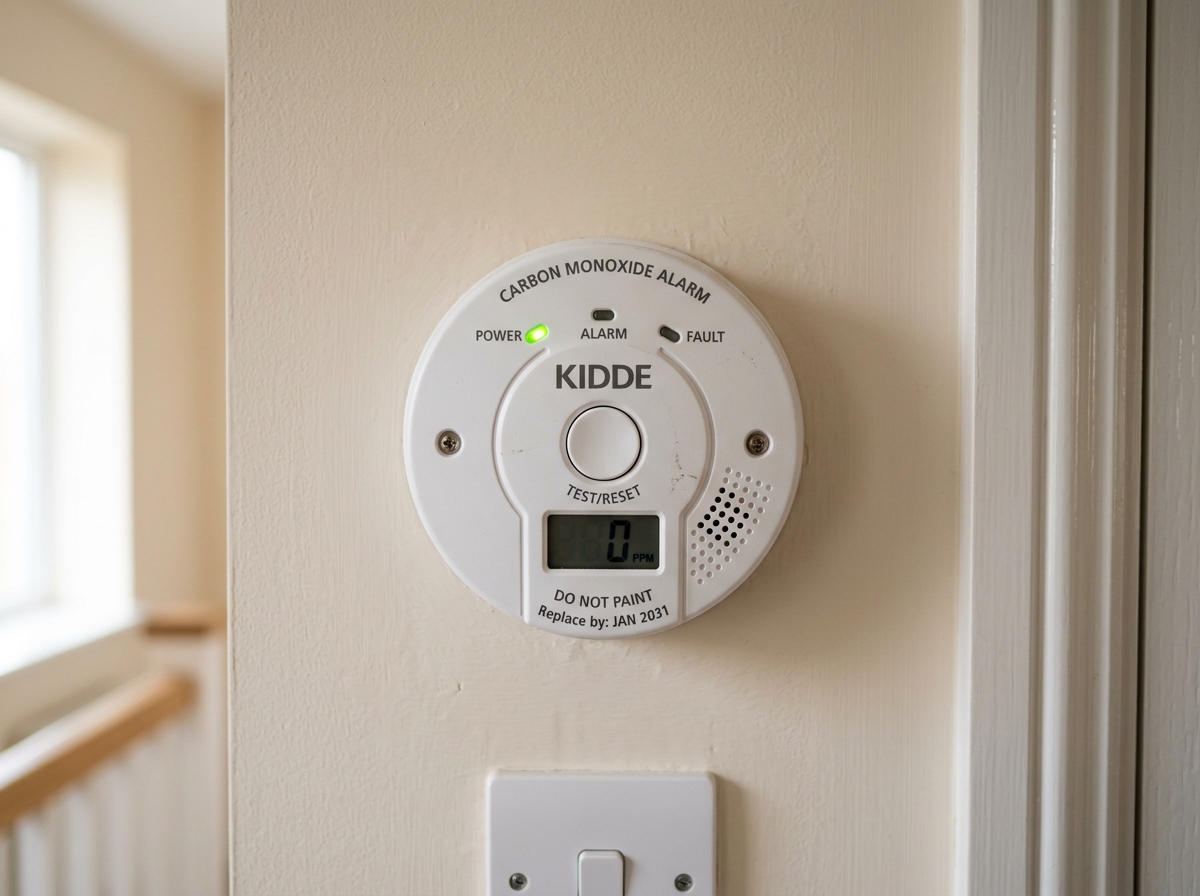
Carbon Monoxide — The Silent Danger
Carbon Monoxide (CO) has no smell, taste, or colour. It starves the body of oxygen without warning.
GET INTO FRESH AIR IMMEDIATELY
If you suspect CO poisoning, leave the building into fresh outdoor air right away, seek emergency medical care (dial 999 or 111), and do not re-enter until approved by specialists.
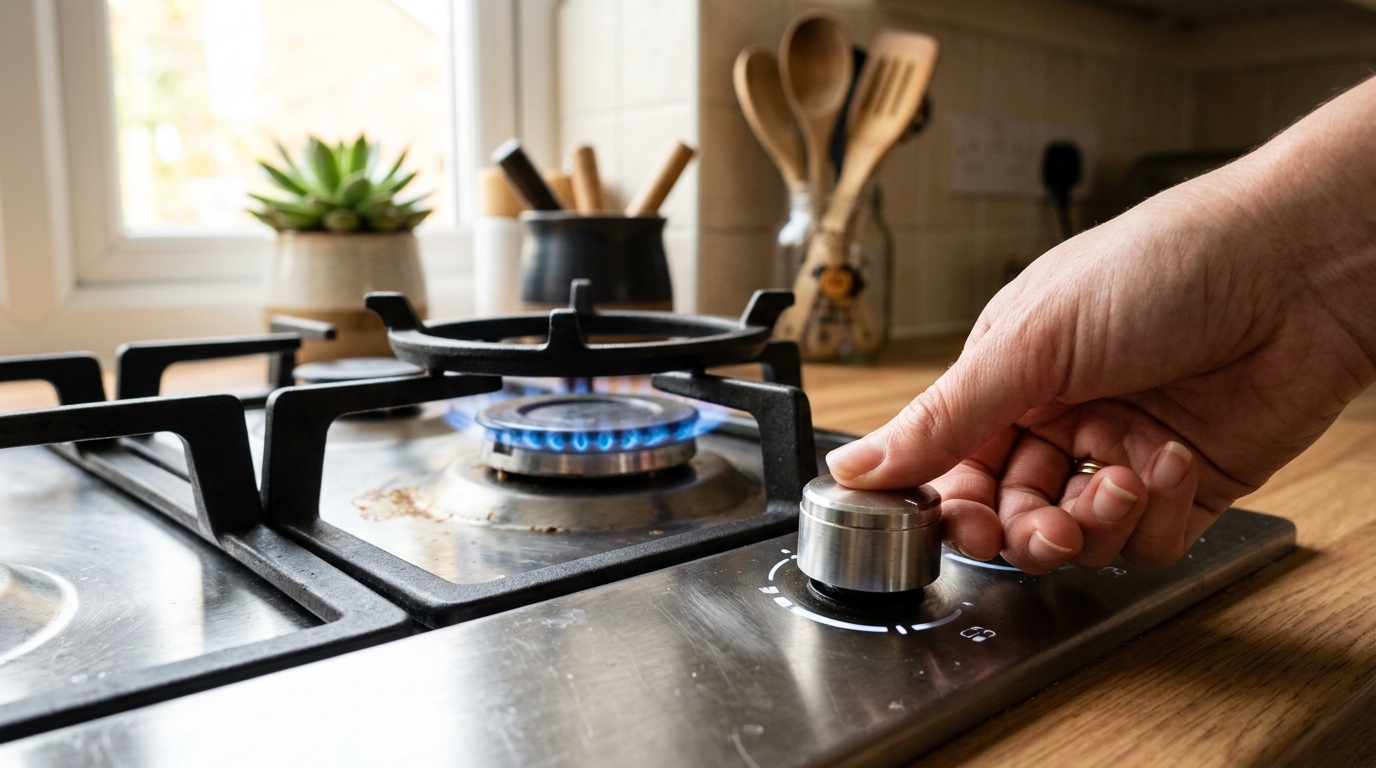
Know the Warning Signs
Never continue using a faulty appliance. Watch for these hazardous operational indicators:
What Should I Do? — Emergency Decision Flow
Follow the visual flowchart below to immediately identify the safest course of action.
SMELL GAS?
Initial hazard detected
AVOID IGNITION
No switches or flames
ISOLATE SUPPLY
Close valve if safe
MOVE OUTSIDE
Evacuate into fresh air
CALL FOR HELP
01452 741234 or 999
Fire Involved?
When active flames or extreme radiant heat are threatening pressurized gas bottles.
Cylinder Damaged?
For physical bottle dents, heavy rust, distorted foot rings, or damaged spindles.
CO Symptoms?
For unexplained headaches, dizziness, nausea, confusion, or breathless sensations.
Emergency Support
Always place emergency calls from an open-air safe location outside the property.
John Stayte Services
Technical advice & cylinder recovery
Mon–Fri 8:00am–5:00pm | Sat 8:00am–12:30pm
Immediate Danger / Active Fire
UK Emergency Services (Fire / Police)
Available 24/7 UK-wide from any telephone
Get useful gas, fuel and home energy advice.
Occasional safety updates, seasonal fuel recommendations, and local service alerts.